It's the future, Jim, but not as we know it...

There's more to tomorrow than robots, flying cars, and a faster internet.
22C+ is all about Deep Futures, futures that matter. Welcome to futures fantastic, unexpected, profound, but most of all deeply meaningful...

Showing posts with label research. Show all posts

Wednesday, December 1, 2010

Dumb to Smarter


As an undergraduate student at the University of Newcastle in Australia, way back in the age of mullet haircuts (when Duran Duran was cool and Madonna was hot) I wasn't such a great student.  I found study to be a real struggle. Much of the time I just couldn't get into it. I hadn’t found what I was passionate about.

The other problem was that I believed that I was stupid. Well, that’s not entirely true. Part of me believed that I was smart. There were conflicting belief structures held within different parts of the mind. It was a bit like having your car in 4th gear and reverse at the same time. The beliefs canceled each other out. How did this happen?

As a kid growing up I was convinced that I was stupid, which was probably due to the fact that people said so. Quite literally. In fact my older brother Jeffery used to call me "Dope", and there was always a vicious sneer when he used the term (in his defense, he was just passing the "shit" down one level of the system - he had been dumped on by others further up the line). 

In fact I was quite literally developmentally delayed.

Sunday, July 11, 2010

How to Feel a Book

So many books, so little time...

For the most comprehensive outline of how to use the intuitive mind during research, my ebook How to Channel a PhD will tell you everything you need to know.


As promised, here it is…

If you really want to know a book, feel it first.

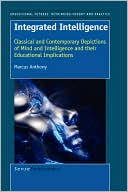
This is the essence of a particular approach to reading and studying which I have developed. It’s part of an educational philosophy which I call the Integrated Inquiry. This method combines traditional left-brain learning methods with right-brained, holistic tools. It’s grounded in the theory of Integrated Intelligence. Sceptics might say that means its not grounded at all, but I have applied these methods myself, and found them extremely useful. I will be outlining them in more detail in the book The Professor's Other Brain, which is some months away from being published. In the meantime here is a very readable and practical article I wrote about Integrated Inquiry, for the Open Information Science Journal.

The founding principal of Integrated Intelligence is that mind is non-local, and connected to a greater transpersonal mind. Biologist Rupert Sheldrake calls this the extended mind, and so do I. Information from that greater mind is processed by the brain at all times, even though most people are not aware of it. The extended mind can bring forth information from past, present and even future. Systems theorist Ervin Laszlo has described this well in his books The Akashic Mind, and The Akashic Experience. The Akashic field is a concept from Indic lore, and it states that the individual minds of human beings like you and I mind are connected to an all-knowing c0osciouisness. Everything that has ever happened in the history of the universe is recorded in the Akashic field, according to the mythology.

My experience as a man who has been using Integrated Intelligence over a couple of decades leads me to conclude that the extended mind is a fact, and all people can learn to tap into it. 

Thursday, July 8, 2010

How Do You Feel a Book?


Marcus T Anthony's new web site and blog can be found at: www.mind-futures.com.

For the most comprehensive outline of how to use the intuitive mind during research, my ebook How to Channel a PhD will tell you everything you need to know.


How do you feel a book? It's not a dumb question. I managed to gain a doctorate by feeling a lot of books, and I even wrote a couple of books by feeling them.

The short answer is that you feel a book by using the intuitive mind, or what I call Integrated Intelligence, tapping into the extended mind, and accessing information through intuitive feelings. It's a process which combines accelerated learning, brain plasticity, and research into the frontiers of human intelligence. So, instead of spending ten hours reading a text book, I just stick it to my forehead and feel it. It sure saves a lot of time! 

OK, that was a slight exaggeration. But it does contain elements of the actual process. You can read more about it in tomorrow's post, "How to Feel a Book". Students and researchers will find it particularly useful.


Marcus